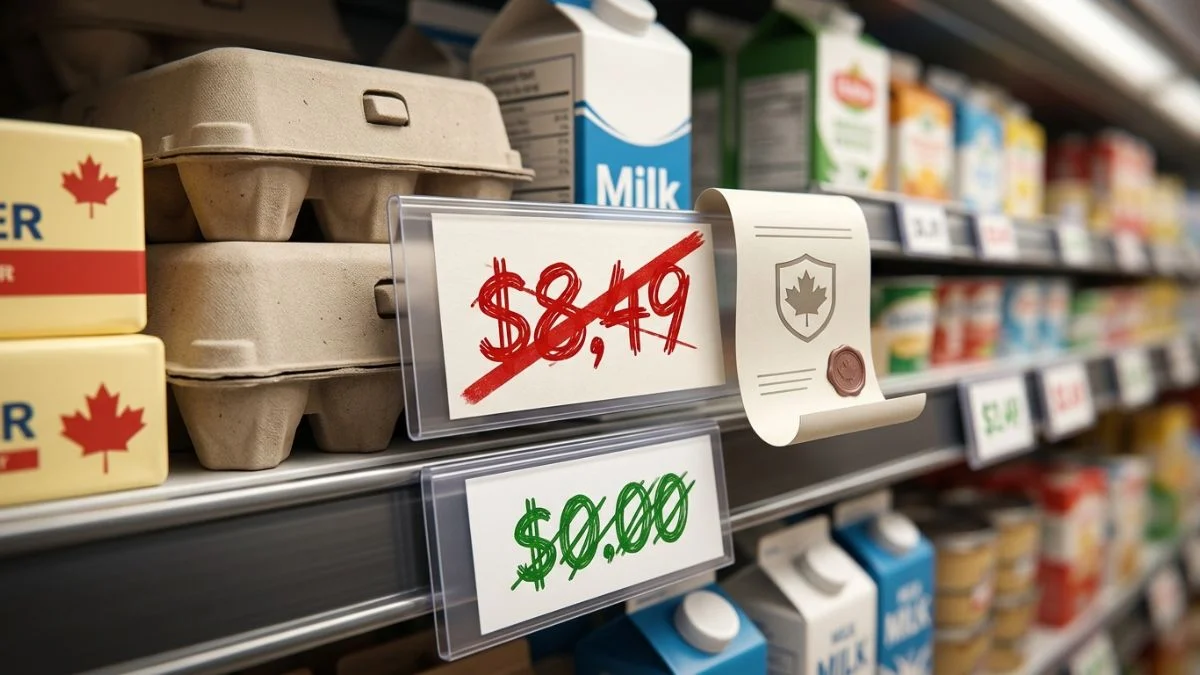
The Canada Grocery Code of Conduct is officially fully implemented, marking a historic shift in how the nation’s food supply chain operates. For years, Canadian shoppers have faced fluctuating costs at the checkout, leading many to wonder if this new set of rules will finally provide some relief.
While the Code is a major milestone for industry fairness, its direct impact on your weekly grocery bill is more nuanced than a simple price drop.
Full Implementation of the Canada Grocery Code in 2026
The Office of the Grocery Sector Code of Conduct (OGSCC) confirmed that the framework became operational at the start of the year. This transition follows a multi-year effort to bring transparency to the relationships between food suppliers and large retailers.
In a significant move for the industry, all five of Canada’s dominant grocery giants—Loblaw, Walmart Canada, Costco, Metro, and Empire (Sobeys)—have formally registered and committed to the Code. They are joined by over 150 other retailers and suppliers, signaling a rare level of industry-wide consensus. The Code is governed by an independent board and overseen by an adjudicator, Karen Proud, who manages the new Dispute Resolution Management Process.
Understanding the Primary Objectives of the Code
The Grocery Code of Conduct is not a price-control mechanism. Instead, it is designed to create a “level playing field” by regulating how big retailers treat their suppliers, including farmers and food processors. Key objectives include:
- Transparency and Predictability: Ensuring contracts are clear and changes aren’t made unilaterally.
- Fair Dealing: Eliminating arbitrary fees and “retroactive” fines that retailers sometimes charge suppliers.
- Dispute Resolution: Providing a formal, confidential channel to settle commercial disagreements without fear of retail “listing” retaliation.
- Supply Chain Resilience: Strengthening the local food system by protecting smaller producers from predatory practices.
By reducing the hidden costs and friction between companies, the goal is to create a more stable environment where businesses can plan and invest with confidence.
Will the Code Directly Reduce Your Grocery Bill?
While the Code aims to curb unfair business practices, most experts and government officials caution that it is not a “silver bullet” for immediate price reductions. According to the Agriculture and Agri-Food Canada and recent industry analysis, the Code is expected to stabilize prices over the long term rather than cause an overnight drop.
The reality for 2026 remains challenging. Canada’s Food Price Report 2026 forecasts an overall food price increase of 4% to 6% this year. This means the average Canadian family of four could see their annual food expenditure rise by approximately $994.63, reaching a total of over $17,570.
Factors Driving Canadian Food Prices in 2026
The implementation of the Code coincides with several external economic pressures that continue to push prices upward:
- Trade and Tariffs: Ongoing trade disputes and new tariffs on imports from major partners have increased the cost of shelf-stable goods and seasonal produce.
- Climate Volatility: Extreme weather events in key growing regions continue to disrupt harvests, particularly for fruits and vegetables.
- Labour and Logistics: Rising costs for transportation and a tighter labour market for food processing have added to the “farm-to-fork” price tag.
- The “Base Year” Effect: Data from Statistics Canada shows that while some categories like fresh fruit saw marginal declines in early 2026, others, like restaurant meals, spiked following the end of temporary tax holidays.
Long-Term Outlook for Canadian Shoppers
Although the Grocery Code of Conduct may seem “invisible” to the average consumer today, its long-term benefits could be substantial. By protecting small and medium-sized suppliers, the Code encourages competition and variety on Canadian shelves. When suppliers are not burdened by unexpected retail fees, they have more capital to reinvest in innovation and competitive pricing.
Furthermore, the “name and shame” power of the OGSCC acts as a deterrent against the most egregious corporate behaviors that contributed to “greedflation” concerns in previous years. While the 2026 outlook indicates that inflation is still a factor, the Code provides the structural foundation needed to prevent unnecessary cost spikes driven by internal supply chain disputes.